 EN
EN

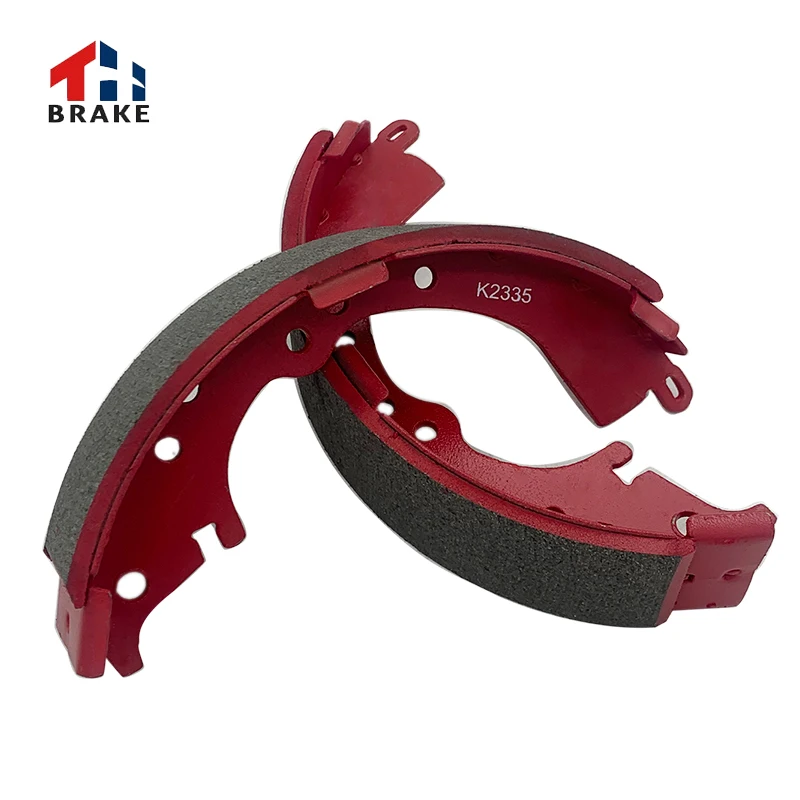
Ceramic brake pads are gaining popularity in passenger vehicles because of their high performance and cost savings. Actively developing the ceramic friction material HENG TAIHUA has conducted a systematic testing on the friction and high-temperature resistance of ceramic brake pads. These tests have proved that ceramic brake pads excel other such traditional brake pads in terms of performance and are, therefore, a viable alternative for daily use.
Real Friction Coefficient Testing Ceramic Pads
A significant parameter that affects the performance of a brake pad, is its friction efficient. This coefficient gauges how well the pad can generate friction between it and the rotor that allows a vehicle to slow down or stop on an even surface. HENG TAIHUA have carried out a strict test for brake pads, testing the friction coefficient under various conditions of ceramic. It has been indicated that ceramic brake pads have higher friction coefficient than other brake pad types, for passenger car applications, giving better stopping power and short braking distances.
In addition, ceramic brake pads have been very consistent from cold to hot temperatures, giving great stopping power whether your brakes are ice cold or scorching hot. This makes them the perfect choice for drivers who see a lot of varied terrain and need an all-terrain tire that can offer confident handling and traction at any time, on or off road. And ceramic brake pads show less wear and tear at test runs, which means that durable they are. Ceramic brake pads will re assure drivers of their braking effectiveness and therefore offer durability with less need to replace which means saving money in the long run.
Durability in High Temperatures of the Ceramic Brake Pad
Aside from their impressive friction coefficient, ceramic pads are also resistant to high temperatures and ideal for high performance driving. Ceramic Brake Pads have been tested by HENG TAIHUA and proven to last longer in extreme temperature propelling loose brake Castings tighter. This is especially important for drivers that perform frequent braking or those who find themselves often driving in the mountains, where brakes are exposed to higher heat levels.
Additionally, ceramic brake pads minimize the amount of dust produced by your brakes in general, effectively keeping your wheels looking cleaner on a more consistent basis and potentially allowing your wheels to remain cleaner for longer. The use of decreased dust in the composition also has benefits for the environment, such as reducing air pollution and promoting cleaner air. In general, with the high thermal resistance of ceramic brake pads as well as their better friction coefficient, this type is a reliable and cost-effective alternative for most of the passenger cars.
The experiments of HENG TAIHUA 99 ceramic brake pads are also certified its excellent friction coefficient and high temperature resistant property. With ceramic brake pads, drivers can count on consistent braking in the long term and a solution that is kind to your wallet when it comes time for replacement of brakes for passenger cars. Upgrade to ceramic brake pads now and feel the difference in your driving experience!
Why are Ceramic Brake Pads Affordable for Cars?
If you want to keep your car as safe on the road as possible, then you need dependable brakes. There are multiple vehicles and many drivers, who prefer ceramic brake pads over others, because of how well it performs on the road. Unlike conventional organic or semi-metallic brake pads, ceramic brake pads have a high friction co-efficient and anti-heat qualities. What that allows for is better stopping power and longer life, translating into savings in the long run.
Ceramic brake pads are formulated to generate a steady level of friction when under extremely heavy braking or at high speeds. This is to avoid brake fade caused when standard pads overheat and lose their adhesive friction. Don’t compromise performance and safety every time you hit the road – upgrade to ceramic brake pads on your passenger car without having to shoulder high costs.
On top of their improved stopping power, ceramic brake pads cost you less in the long run. Although they are a little more expensive upfront than other brake pads, they should last longer, so you won’t need to replace them as often. That can translate into savings on maintenance and repair costs long term, so often a ceramic brake pad set will end up being more than worth it for a price-conscious driver.
Common Application Problems Ceramic Brake Pads Are Used to Solve
Ceramic brake pads may have some limitations as well, despite their many advantages. The one major issue which drivers often face with ceramic brake pads is the noise. The harder makeup of ceramic brake pads occasionally results in squeaking or squealing noises when braking. Although this noise is harmless, it can irritate some drivers.
A second possible problem with ceramic brake pads is that they have a tendency to create more brake dust than other types of pads. This may result having wheels full of dirt and needing to clean them more often for the look of your car. But the additional brake dust is a small sacrifice for the increased stopping power and longer life expectancies ceramic brake pads afford.
Are Ceramic Brake Pads Worth It?
Ceramic Brake Pads are the right choice for drivers seeking to improve the safety and comfort of their car. Top rated ceramic brake pads have a high friction level, and hold up better on long trips than standard pads. They’re a little pricier, and users often face the same problem (and more) as with semi-metallic pads, but when taking their long-term use into account, it’s possible that they are the right call for those drivers who are concerned about costs. So if you want better braking and a more enjoyable driving experience, try using HENG TAIHUA ceramic brake pads on your passenger car today.