 EN
EN

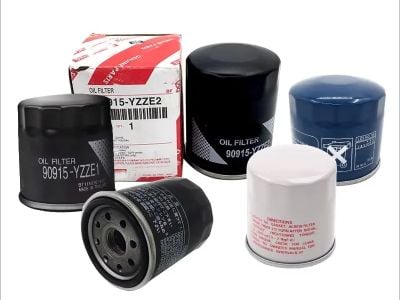
Common Signs of a Clogged Air Filter and Why Timely Replacement Matters
Keeping a vehicle in excellent condition requires attention to every component, including the air filter. While many drivers focus on items such as oil changes, tires, and brake pads for toyota corolla, the engine air filter plays an equally important role in vehicle performance. The air filter prevents dust, dirt, and debris from entering the engine, helping it operate efficiently. When the filter becomes clogged, it can negatively affect fuel economy, engine performance, and long-term reliability.
What Are the Warning Signs of a Clogged Air Filter?
Recognizing the symptoms of a clogged air filter can help prevent costly repairs and maintain vehicle performance.
One of the most noticeable signs is reduced engine power. If a vehicle feels sluggish during acceleration or struggles to respond quickly, restricted airflow may be affecting engine efficiency.
Drivers may also notice rough engine operation, unusual engine noises, or inconsistent performance. Since the engine requires a proper air-to-fuel ratio for combustion, limited airflow can disrupt normal operation.
Another common symptom is decreased fuel efficiency. When the engine works harder to compensate for reduced airflow, fuel consumption often increases. If fuel costs suddenly rise without an obvious reason, the air filter should be inspected.
In some cases, the check engine light may illuminate, indicating that the vehicle's sensors have detected performance issues related to airflow. Unusual odors from the engine compartment can also suggest that the filter needs attention.
Regular inspections and timely replacement can help avoid these problems and keep the vehicle operating efficiently.
Where Can You Find High-Quality Air Filters for Wholesale Purchase?
Businesses, workshops, and fleet operators often benefit from purchasing air filters in bulk. Wholesale purchasing helps reduce maintenance costs while ensuring replacement parts are readily available when needed.
When selecting air filters, prioritize products manufactured from durable materials that provide effective filtration and long service life. High-quality filters help prevent contaminants from entering the engine and support optimal vehicle performance.
It is also important to evaluate supplier reliability. Customer reviews, product certifications, and warranty options can provide valuable insight into product quality and supplier reputation.
Buying in bulk can be especially beneficial for automotive repair shops and fleet management companies that perform routine maintenance on multiple vehicles. Maintaining an inventory of replacement filters helps reduce downtime and improve service efficiency.
How Can Premium Air Filters Improve Vehicle Performance?
A clean and properly functioning air filter contributes significantly to overall vehicle performance. By allowing a consistent flow of clean air into the engine, the filter supports efficient combustion and helps maximize power output.
Adequate airflow also improves fuel economy by ensuring the engine does not need to work harder than necessary. This can result in lower operating costs and improved driving performance.
Just as components such as a 29087 brake pad contribute to vehicle safety and reliability, a quality air filter supports the health of the engine. Regular maintenance of both systems helps ensure optimal vehicle operation.
For vehicle owners who prioritize performance, replacing the air filter at recommended intervals is one of the simplest and most cost-effective maintenance tasks available.
What Are the Long-Term Risks of Ignoring a Clogged Air Filter?
Neglecting a clogged air filter can lead to a variety of costly problems over time.
Restricted airflow forces the engine to work harder, increasing fuel consumption and placing additional strain on engine components. Over time, this can contribute to premature wear and reduced engine lifespan.
Engine overheating is another potential concern. When airflow is limited, the engine may struggle to maintain optimal operating conditions, increasing the risk of overheating and mechanical damage.
Drivers may also experience reduced acceleration, loss of power, rough idling, or even engine stalling. These issues can affect driving comfort and safety while increasing maintenance expenses.
Routine inspections and timely filter replacement help prevent these complications and support long-term vehicle reliability.
How Do You Clean or Replace a Vehicle Air Filter?
Maintaining an air filter is a straightforward process that can significantly improve vehicle performance.
Begin by locating the air filter housing, which is typically positioned near the engine. Open the housing carefully and inspect the filter for dirt, debris, and signs of excessive wear.
If the filter contains only a light amount of dust, it may be possible to clean it using a vacuum with a soft brush attachment. However, heavily contaminated filters should be replaced rather than cleaned.
When installing a replacement filter, ensure it matches the manufacturer's specifications and fits securely within the housing. Proper installation helps prevent unfiltered air from entering the engine.
Regular maintenance schedules should include air filter inspections alongside other important vehicle components such as oil filters, tires, and braking systems. For example, routine servicing often includes checking parts like the wav 29087 brake pad to ensure overall vehicle safety and performance.
By replacing air filters at recommended intervals, vehicle owners can improve fuel efficiency, maintain engine health, and reduce the likelihood of costly repairs in the future.
Table of Contents
- Common Signs of a Clogged Air Filter and Why Timely Replacement Matters
- What Are the Warning Signs of a Clogged Air Filter?
- Where Can You Find High-Quality Air Filters for Wholesale Purchase?
- How Can Premium Air Filters Improve Vehicle Performance?
- What Are the Long-Term Risks of Ignoring a Clogged Air Filter?
- How Do You Clean or Replace a Vehicle Air Filter?